
- English
- Español
- Português
- русский
- Français
- 日本語
- Deutsch
- tiếng Việt
- Italiano
- Nederlands
- ภาษาไทย
- Polski
- 한국어
- Svenska
- magyar
- Malay
- বাংলা ভাষার
- Dansk
- Suomi
- हिन्दी
- Pilipino
- Türkçe
- Gaeilge
- العربية
- Indonesia
- Norsk
- تمل
- český
- ελληνικά
- український
- Javanese
- فارسی
- தமிழ்
- తెలుగు
- नेपाली
- Burmese
- български
- ລາວ
- Latine
- Қазақша
- Euskal
- Azərbaycan
- Slovenský jazyk
- Македонски
- Lietuvos
- Eesti Keel
- Română
- Slovenski
- मराठी
- Srpski језик
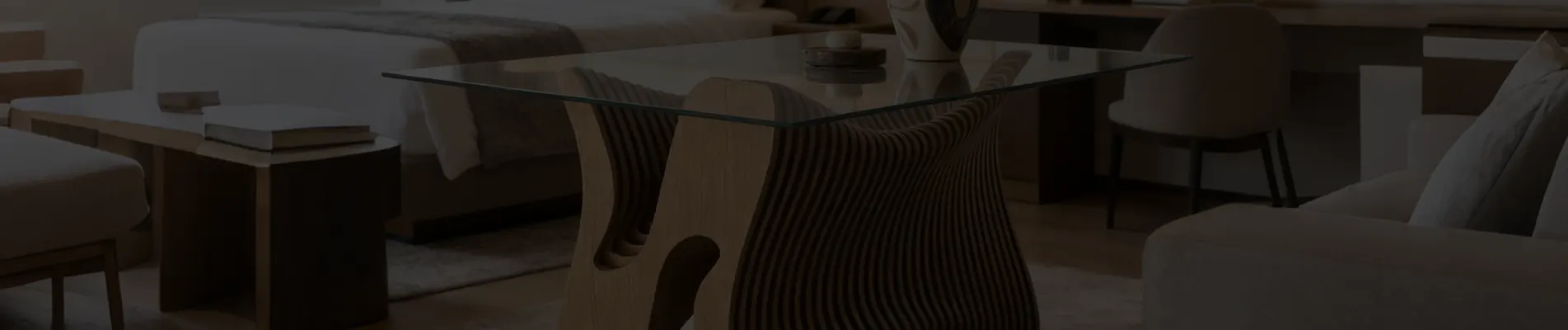
Where Can FRP Furniture Be Used in Commercial Projects?
When we talk to commercial buyers about FRP furniture, one of the first questions we often hear is:
“Where can FRP actually be used?”
The answer is broader than many people expect.
At Chinor, we work with FRP in many different forms, from benches and tables to planters, sculptures, children's furniture, and large decorative pieces. Because FRP can be formed into curves, unusual dimensions, and complex shapes, we find it especially useful when a standard furniture product cannot achieve the designer's idea.
Here are some of the applications we see as a good fit for custom FRP.
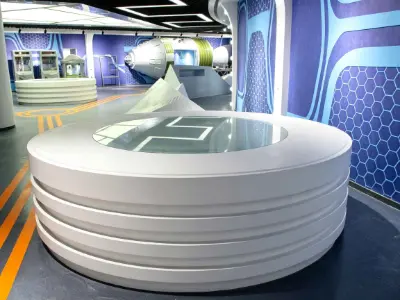
Shopping Malls and Commercial Spaces
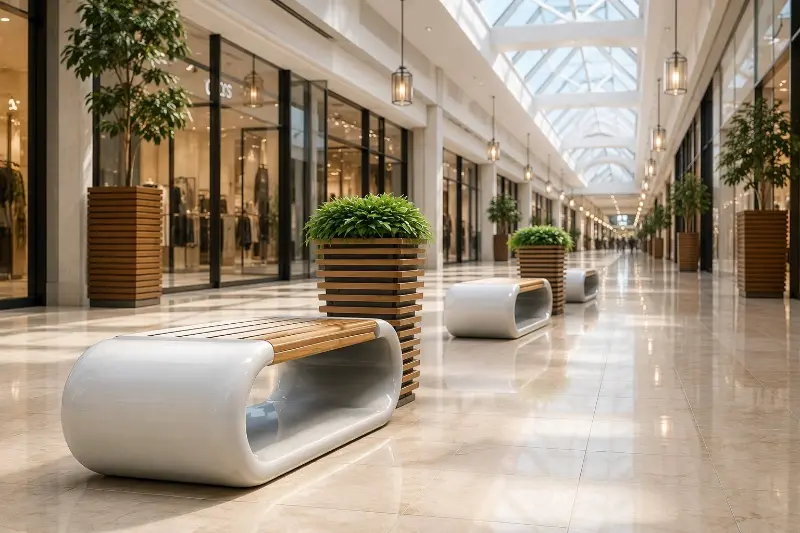
In a shopping mall, furniture does not always have to look like traditional furniture.
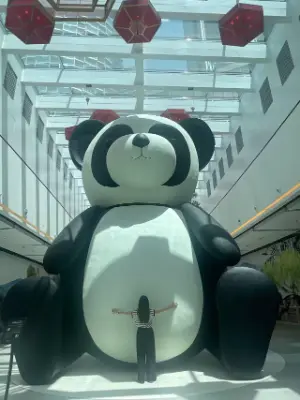
A bench can become part of the interior design. A planter can become a visual feature. A sculptural chair can create a photo spot.
We can produce custom FRP benches, lounge seating, planters, sculptural furniture, animal figures, and decorative installations according to a project's design requirements.
For these projects, I recommend buyers confirm the dimensions, expected load, color, surface finish, installation conditions, and quantity before production begins. These details affect both the manufacturing method and the final quotation.
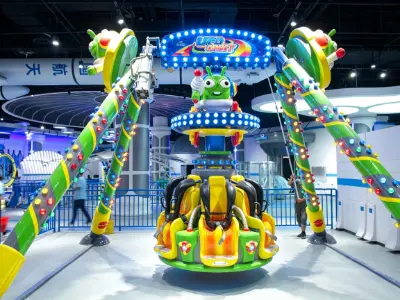
Theme Parks and Children's Spaces
This is one of the areas where I think FRP really shows its value.
When the furniture itself needs to become part of a theme, standard products are often difficult to use. An animal-shaped bench, cartoon chair, dinosaur figure, or themed planter can become part of the environment rather than simply being placed inside it.
We can also consider additional reinforcement for products that will be used frequently or exposed to higher loads. Surface treatment is particularly important for children's spaces, where smooth surfaces, finished edges, structural stability, and easy cleaning all need attention.
Outdoor and Cultural Tourism Projects
Outdoor furniture faces a different environment from indoor furniture.
Sunlight, rain, humidity, temperature changes, dust, and frequent public contact all need to be considered.
We manufacture FRP benches, planters, sculptures, tables, and decorative structures for outdoor applications. However, I would never recommend treating every FRP product as automatically suitable for every outdoor environment.
For example, a product intended for a seaside location may need a different material and coating specification from one used inside a hotel.
That is why we ask customers about the actual installation environment before confirming a final specification.
Hotels and Resorts
Hotels often use furniture as part of the overall interior concept.
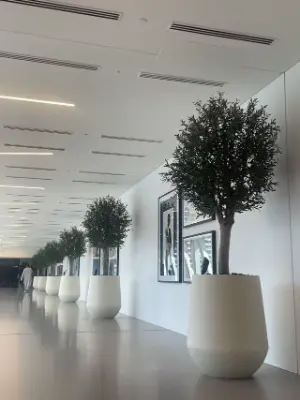
We see opportunities for FRP in lobby seating, sculptural chairs, decorative planters, reception furniture, poolside pieces, and artistic installations.
For these projects, surface quality matters just as much as structural quality. A small seam or uneven coating may be much more noticeable in a hotel lobby than in a less visible environment.
So, Is FRP Right for Your Project?
I usually suggest looking at three things first:
Shape — Environment — Quantity
If the design has unusual curves or dimensions, FRP may be a strong option.
If the product will be outdoors, the environment needs to be discussed before production.
And if the project involves multiple customized products, the manufacturer's ability to maintain consistency becomes especially important.
At Chinor, we are not limited to one type of FRP product. We support customized furniture, planters, sculptures, outdoor products, and commercial project solutions.
If you already have a drawing, rendering, sketch, or even a reference image, send it to us. We can discuss whether FRP is a practical way to manufacture it.
Send Inquiry
-
WhatsApp
-
E-mail
-
Wechat